
This Happens Here: GHB-Facilitated Assault in Greece and the Silence Around It
A study by SINOPSIS Socially Integrated Innovation S.R.L. examined GHB-related drug-facilitated sexual assault (DFSA) in Greece. Survivors face stigma, and institutions often lack protocols. Police, healthcare, and nightlife sectors are unprepared. Addressing this requires trauma-informed procedures, rapid testing, staff training, and public awareness to break the silence.
Even with increasing awareness, drug-facilitated sexual assaults (DFSA) remain largely unrecognized in Greece. At the heart of this issue is gamma-hydroxybutyrate (GHB), a rapidly acting depressant of the central nervous system. Its impact is swift and severe, leading to a loss of inhibition, memory, and motor control (Dufayet et al., 2023). The following research, marking the first non-forensic investigation of GHB-related Drug-Facilitated-Sexual-Assault in Greece, was conducted by the SINOPSIS Socially Integrated Innovation S.R.L. Research & Development team within the framework of the ARMADILLO project.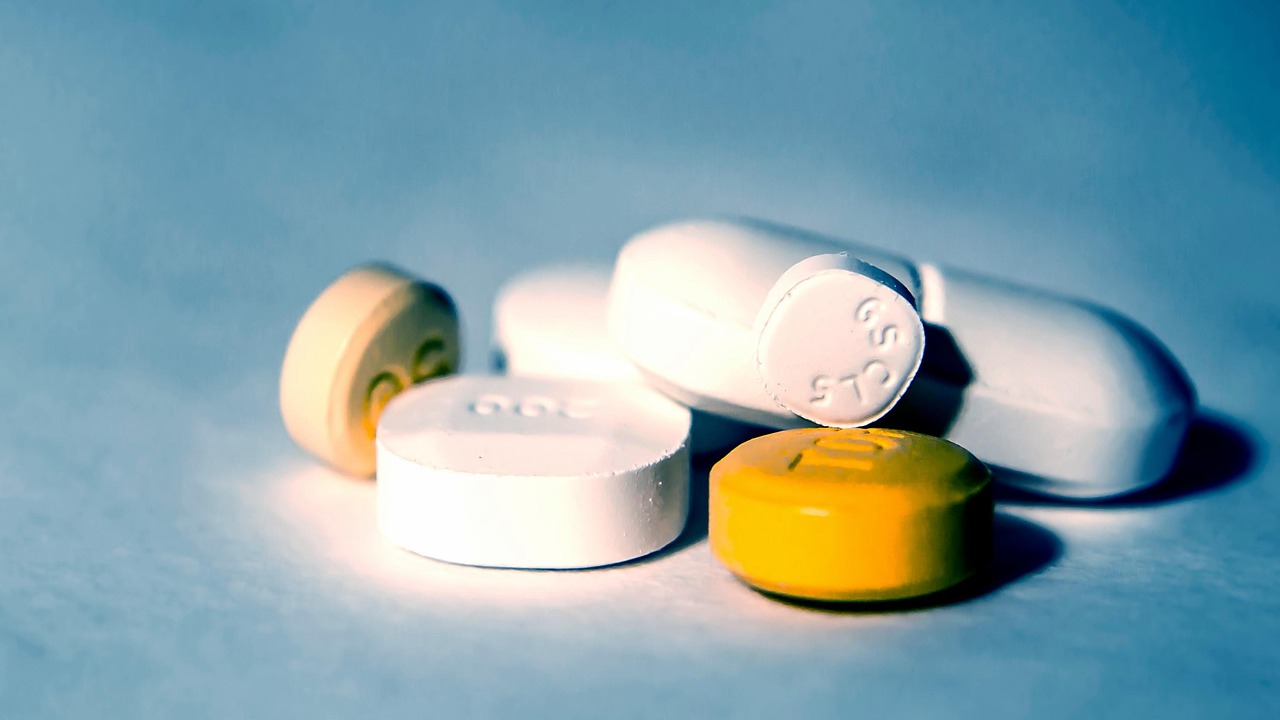
It was based on twenty-five semi-structured interviews with forensic specialists, law enforcement officers, healthcare professionals, and activists, excluding victims to prevent retraumatization. Greece serves as a pivotal case due to its high incidence of sexual violence, ongoing gender inequality (Begall et al., 2023), and notably low GHB detection rates compared to other EU nations (Skov et al., 2022). Participants highlighted a self-perpetuating cycle of skepticism, institutional neglect, and indifference.

A police officer confessed, “Everything is done empirically. There is no protocol for handling rape incidents”. A social worker commented, “Women feel shame and don’t trust institutions. If a trans person goes to the police, they might be arrested rather than helped”. In nightlife environments, this silence is even more pronounced. Activists pointed out that venues are concerned about reputational harm if they acknowledge the issue: “We tried putting up a poster saying ‘No harassment. No abuse. Only good vibes.’ Even gay venues refused. They said, ‘If we put it up, it will look like this happens here’”. Addressing this silence requires structural changes: trauma-informed forensic protocols, swift “golden-hour” toxicological testing (Anderson et al., 2017), specialized training for police, and visible harm-reduction “violet points” in nightlife areas (Son et al., 2021). Most importantly, public communication must move from denial to acknowledgment because GHB DFSA happens here—and that’s exactly why we must talk about it.
References:
Anderson, L. J., Flynn, A., & Pilgrim, J. L. (2017). A global epidemiological perspective on the toxicology of drug facilitated sexual assault: A systematic review. Journal of Forensic and Legal Medicine, 47, 46–54. https://doi.org/10.1016/j.jflm.2017.02.005
Begall, K., Grunow, D., & Maier, J. (2023). Multidimensional gender ideologies across Europe: Comparative evidence and the role of macrolevel factors. Gender & Society, 37(2), 172–203.
Dufayet, L., Bargel, S., Bonnet, A., Boukerma, A. K., Chevallier, C., Evrard, M., & Vaucel, J. A. (2023). Gamma hydroxybutyrate (GHB), 1,4 butanediol (1,4BD), and gamma butyrolactone (GBL) intoxication: A state of the art review. Regulatory Toxicology and Pharmacology, 142, 105435.
Skov, K., Johansen, S. S., Linnet, K., & Nielsen, M. K. K. (2022). A review on the forensic toxicology of global drug facilitated sexual assaults. European Review for Medical and Pharmacological Sciences, 26(1).
Son, S. U., Jang, S., Kang, B., Kim, J., Lim, J., Seo, S., & Lim, E. K. (2021). Colorimetric paper sensor for visual detection of date rape drug γ hydroxybutyric acid (GHB). Sensors and Actuators B: Chemical, 347, 130598.
---
This article was authored by SSI