
Drink in hand. Music up. Your friends around you. The night is yours.
When someone spikes or tampers with your drink, they’re not just messing with what’s in your glass.
Drink spiking is when alcohol or another substance is added to someone’s drink without their knowledge. It can happen to anyone. GHB is one substance that may be used, but it is not the only one. Spiking is a serious violation of a person’s autonomy, safety and consent, and it can be used to facilitate injury, theft, sexual violence or other forms of exploitation.
GHB (gamma-hydroxybutyric acid) is a substance that occurs naturally in very small amounts in the human body. However, it is also a controlled substance commonly referred to as a “date rape drug” (Dufayet et al., 2023). When taken externally, it can significantly slow down brain and body functions. GHB is one of the substances linked to drink spiking, but it is not the only one. Spiking can also involve other substances or adding more alcohol to a drink than the person asked for or agreed to. GHB can be very difficult to detect in a drink, and its possible effects can resemble those of heavy alcohol consumption. For this reason, symptoms alone cannot confirm which substance was used.
A sudden and unexpected change in how someone feels or behaves may be a cause for concern. These signs do not necessarily mean that spiking has occurred and may have other causes.
Take the situation seriously and respond with care. Call 166 or 100.
Something doesn’t feel right? Trust your instincts. Stick together. Look out for each other. Be the person you’d want by your side. Become a safe point. Safety means staying alert, stepping in early and protecting others. A “yes” should be clear and freely given. Your safety and access to medical care come first. A negative result does not necessarily mean that nothing happened. You do not need to have “proof” to seek care, help or support.
For everyone • Immediate
European Emergency Number
Emergency medical assistance
EKAB emergency medical services and ambulance.
Immediate police assistance
Hellenic Police
For women experiencing violence
15900
Nationwide SOS helpline in Greece for women experiencing gender-based or domestic violence.
All genders and ages
Free, anonymous psychosocial support, available 24/7.
It primarily acts as a central nervous system depressant. Its effects can vary depending on the amount taken, its concentration, alcohol or medication use, and other individual factors.
GHB is metabolised and eliminated from the body quickly. This means that the window in which it can be detected in blood or urine is often very short and may vary from person to person.
The sooner medical and toxicological assessment takes place, the greater the chance of collecting useful evidence. However, a negative or delayed toxicology result does not prove that nothing happened. The rapid elimination of the substance, the timing of sample collection, the testing method, and the natural presence of very small amounts of GHB in the body can all make results more difficult to interpret. Even if hours or days have passed, you can still seek medical care and support.
Consent must be given freely, knowingly and without pressure.
A person cannot consent when they:
Responsibility lies entirely with the person who administered a substance without consent or took advantage of another person’s vulnerable state.
The term is often used in relation to GHB, but it can create two misleading impressions:
In reality, many different substances, or additional alcohol, may be used. Tampering with someone’s drink without their consent is, in itself, a serious violation of their autonomy and safety.
There is no way to know for certain based on taste, appearance or symptoms alone. If you suddenly feel different or unwell, seek help.
You do not need to remember everything to seek care or to be taken seriously. Do not pressure yourself to fill in the gaps.
If you are in immediate danger, call 100 or 112. Otherwise, you can first seek medical support and get information about the options available to you.
Seek help. Some substances leave the body quickly, but it is never too late to get care and support.
Yes. It can happen to anyone, regardless of gender or sexual orientation.
No. Home tests may not detect every substance and can produce false results.
Without a “yes”, there is no consent.
You have the final say.
The campaign was designed by Netcompany, with the support of the Ministry of Social Cohesion and Family Affairs, and is implemented within the framework of the European ARMADILLO project, co-funded by the European Union through the Horizon Europe Research and Innovation Programme under Grant Agreement No. 101168416. The views and opinions expressed are those of the authors only and do not necessarily reflect those of the European Union or the granting authority.
They’re taking away your right to choose what happens to you.
Drink Spiking
GHB
Possible signs

Sudden
severe intoxication
or confusion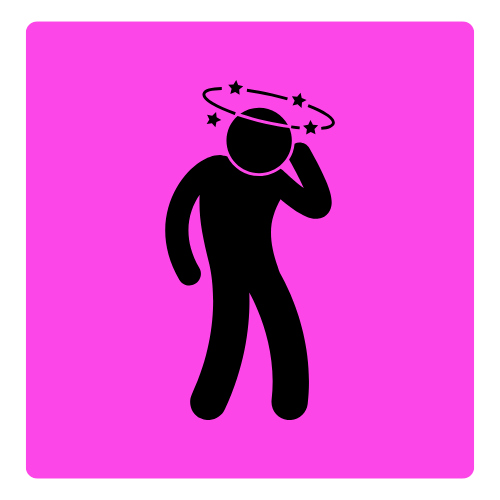
Dizziness
Nausea
Vomiting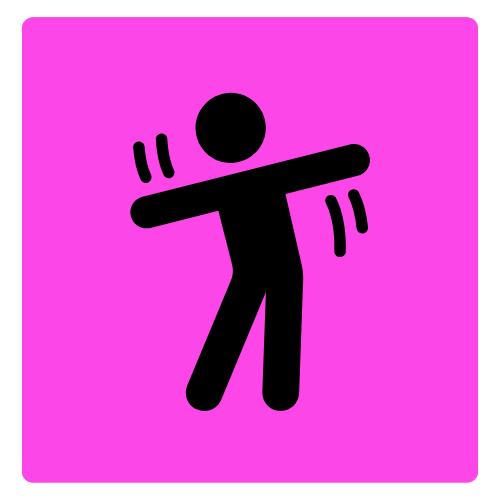
Difficulty moving
speaking
or maintaining balance
Memory loss
or gaps in memory
Drowsiness
Fainting
Loss of consciousnessWhat your friends might notice:
It’s an emergency if the person:

I think it happened to me
Buddy mode on

Saw something? Don’t ignore it

Work behind the bar?

Do you work in security, reception or customer service?

Let’s talk about consent
I think my drink was spiked. What should I do?
Speak to venue staff, security, or someone you trust. Do not leave with someone you do not know.
Call, or ask someone to call, 166 for emergency medical assistance or 100 for the police.
If you suspect drug-facilitated sexual assault (DFSA), seek help as soon as possible. The first urine sample can be important, so ask for medical guidance immediately.
Some substances can leave the body quickly. But there is no deadline for seeking care. Ask for support, no matter how much time has passed.
Before showering or changing clothes, speak to healthcare professionals or the police, as this may help preserve potential evidence.
Do not throw anything away. Some items may be important as potential evidence.
There is no need to force yourself to remember. Memory gaps are not your responsibility.
Seeking help as soon as you can may help you access support and guidance on the next steps more quickly.
REMEMBER THIS!
What you remember, and what you do not remember, deserves to be taken seriously.If you notice something suspicious:
Don’t leave the person alone, and don’t let them leave with someone they don’t trust.
If they are unresponsive, having difficulty breathing, having a seizure or collapsing, call 166 or 100 immediately.
“What do you need from me?” “How can I help?”
Note the time, place, routes taken and people involved. Don’t pressure them for details.
112
Free of charge
166
For loss of consciousness, breathing difficulties, seizures or collapse.
100
15900
10306
Does not replace 112/166.
FAQ
How does it affect the body?
Why is detection difficult?
What does this have to do with consent?
Why don’t we use only the term “date rape drug”?
How can I know if my drink was spiked?
What if I don’t remember what happened?
Do I need to go to the police straight away?
What if hours or days have passed?
Can this happen to men or LGBTQ+ people?
Can a home test confirm that a drink was safe?
Business hour
Our support available to help you 24 hours a day, seven days a week.
Monday-Friday: 9am to 5pm
Saturday: 10am to 2pm
Sunday: Closed