

By Dr. Tarushyam Mukherjee & Dr. Laila Al-Halabi-Frenzel, Abcalis GmbH
Accurate, Reliable, and Portable GHB Detection for Safer Communities.
A Horizon Europe project developing next-generation forensic tools for law enforcement and forensic experts.

About ARMADILLO
ARMADILLO is an EU-funded initiative focused on developing cutting-edge forensic tools to detect Gamma-Hydroxybutyrate (GHB) in urine, saliva, and beverages. Why does this matter? GHB is commonly used in drug-facilitated sexual assaults (DFSA) and other crimes. Current forensic techniques struggle to detect it in time, often failing to provide reliable legal evidence. ARMADILLO delivers a portable, AI-powered detection system that helps law enforcement agencies (LEAs) identify GHB rapidly, accurately, and on-site.
Key Project Objectives
Integrating socio-ecological and socio-economic data streams into Digital Ocean Twins (DOTs) to advance marine spatial planning.
Enabling "what-if" scenario analysis to assess the impact of human activities on marine ecosystems.
Promoting collaboration across scientific, industrial, and governmental stakeholders to ensure informed, holistic ocean management.

National Centre for Scientific Research "Demokritos"
National Centre for Scientific Research Demokritos

NETCOMPANY-INTRASOFT is a leading European IT Solutions and Services company with proven expertise in conceptual system architecture and system design, advanced application development and integration / communication services, information portal management, communication services, and project management, offering innovative and added-value solutions of the highest quality to a wide range of international and national public and private organizations.
NETCOMPANY

RISA SICHERHEITSANALYSEN GMBH (Germany)
RISA SICHERHEITSANALYSEN GMBH

Jobst Technologies
Jobst Technologies

ABCALIS GMBH (Germany)
ABCALIS GMBH

ThetaMetrisis
ThetaMetrisis

Arthur’s Legal, Strategies & Systems (‘ARTHUR’)
Arthur’s Legal, Strategies and Systems

SINOPSIS SOCIALLY INTEGRATED INNOVATION S.R.L
SINOPSIS SOCIALLY INTEGRATED INNOVATION S.R.L

Institute for Corporate Security Studies (ICS)
Institute for Corporate Security Studies

Harokopio University of Athens (HUA)
Harokopio University of Athens

Center for Security Studies (KEMEA)
Center for Security Studies (KEMEA)

Polish Platform for Homeland Security (PPHS)
Polish Platform for Homeland Security

Ministry of the Interior of Finland
Ministry of the Interior of Finland

Murcia Police Department
Murcia Police Department

General Police Inspectorate (GPI) of the Republic of Moldova
General Police Inspectorate of the Republic of Moldova

Regional Police Headquarters in Radom
Regional Police Headquarters in Radom

CENTRIC
CENTRIC


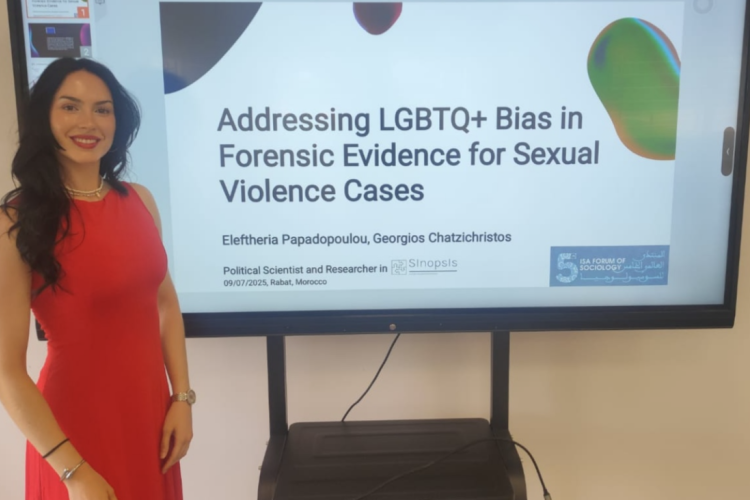
A study by SINOPSIS Socially Integrated Innovation S.R.L. examined GHB-related drug-facilitated sexual assault (DFSA) in Greece.

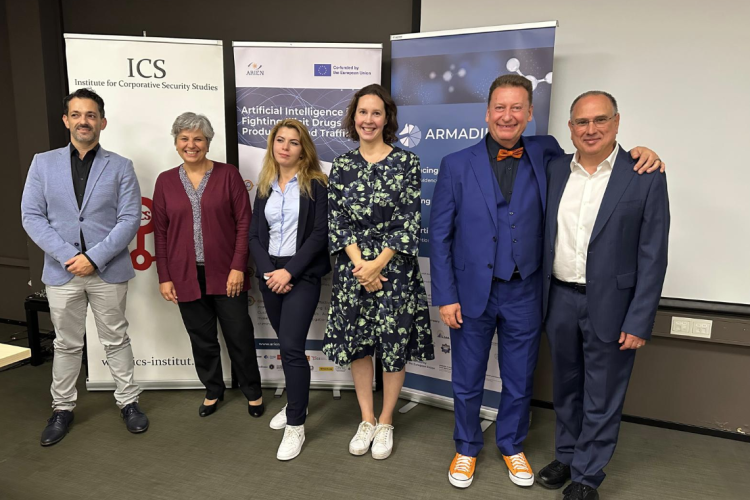
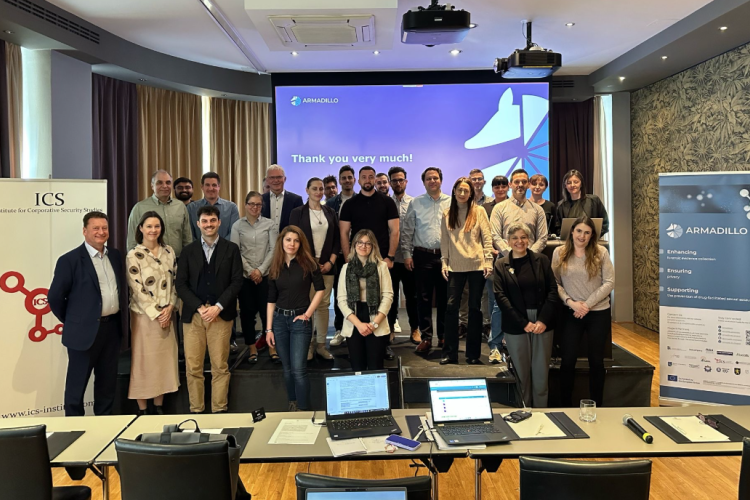
The ARMADILLO consortium successfully held its 3rd General Assembly and Plenary Meeting on October

Public Concerns, Real Stakes

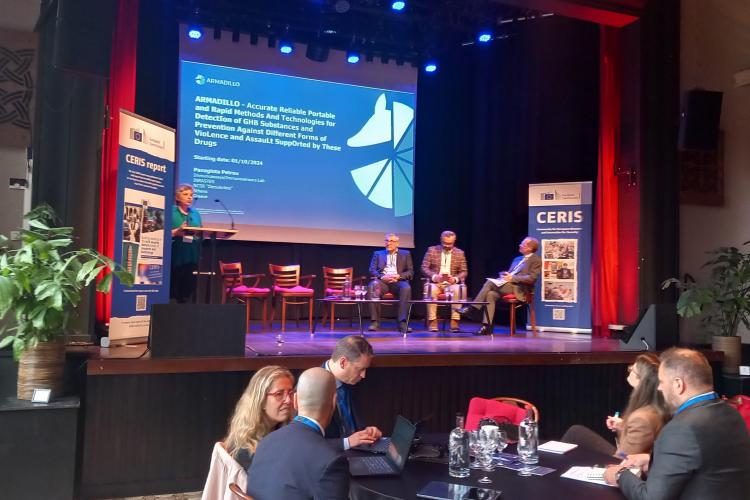
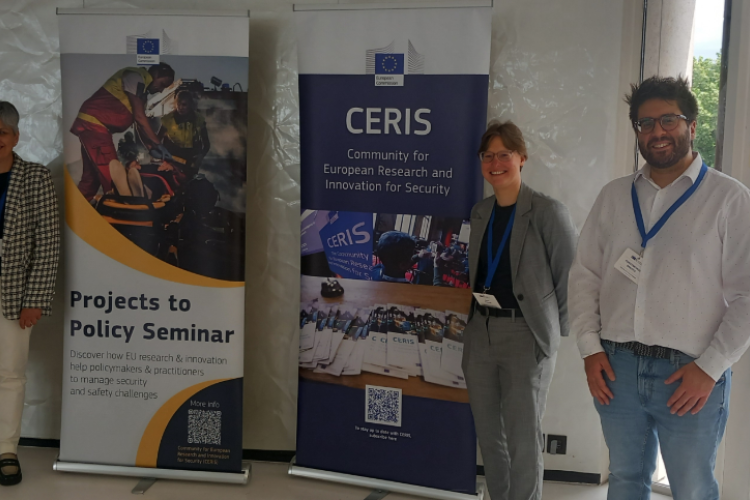
Collaboration among various EU projects is crucial for amplifying impact and fostering innovation in tackling complex societal challenges.